

WEBSITE STRUCTURE FOR SEARCH ENGINE OPTIMIZATION
🌐 Website Structure for Search Engine Optimization
Have you ever clicked on a website that looked beautiful but took forever to find what you wanted?
That’s where website structure quietly makes all the difference. It is really important and hidden power of your site — invisible yet powerful enough to decide whether visitors stay or leave, and whether Google smiles upon your pages or not. and this is crucial for Search Engine Optimization .
Why Website Structure Matters
A well-organized site helps both humans and search engines.
When your pages are neatly connected, search engines can easily understand what your site is about — and rank it higher.
And for visitors? It makes navigation effortless, keeping them longer on your page. When visitors understand the flow of your site, they will engage more with your content.
Think of your website as a tree:
- The homepage is the trunk.
- Main categories are branches.
- Sub-pages and blogs are leaves.
When all are connected properly, your website took perfect form and balance.
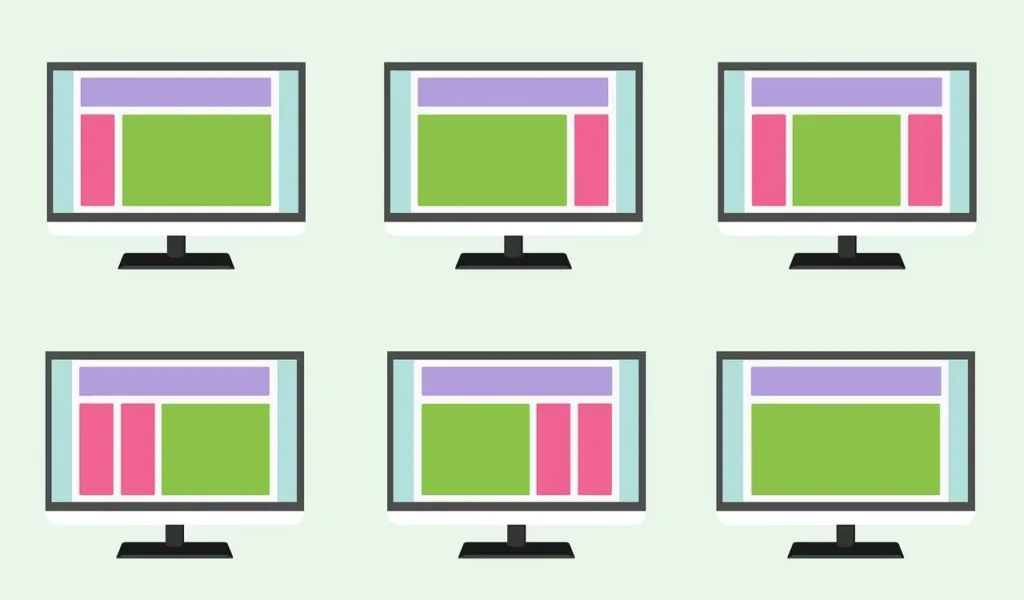
Key Elements of an SEO-Friendly Website Structure
1. Clear Hierarchy
Your homepage should lead to main category pages, which then guide users to sub-pages.
Keep the depth minimal — no page should be more than three clicks away from the homepage.
2. Logical URLs
Use clean, descriptive URLs like:
👉 www.yoursite.com/seo-tips/website-structure
Avoid messy ones with random numbers or symbols. User will not understand the URLs if they are weird and out of the subject.
3. Internal Linking
Add links from one page to another naturally.
For example, if you’re writing about On-Page SEO, link it to Website Structure.
This helps Google crawl your site better and tells it which pages are related.
You should add relatable content links to the other one, so that user can find your site and content helpful.

4. Navigation Menu
Your menu should be clear and visible on every page.
Add main categories, an About section, and a Blog tab — so visitors can explore freely.
5. Mobile Optimization
More than half of all website visits come from phones.
If your layout breaks on mobile, it breaks your ranking too.
Use responsive themes that adjust automatically to all screen sizes.
The Power of Breadcrumbs
Breadcrumbs are those tiny links at the top that show the path like:
Home > SEO > Website Structure
They not only help users go back easily but also help search engines understand your site’s depth.
Don’t Forget Page Speed
No matter how perfect your structure is, if your site loads slowly, visitors leave.
Compress images, use lightweight themes, and enable browser caching.
Speed is love — for both users and Google.
Example of a Simple SEO Website Structure
Home
│
├── About
├── Services
│ ├── SEO
│ ├── Content Writing
│ └── Social Media
├── Blog
│ ├── On-Page SEO
│ ├── Website Structure
│ └── Keyword Research
└── Contact
A structure like this keeps your website clean, simple, and easy to grow.
Final Thoughts
Website structure isn’t just about design — it’s about clarity, connection, and flow.
When your site feels simple and logical, Google rewards it.
So, if you’re starting today, begin with your roots: build your structure strong, and let your content bloom naturally upon it.


