

What is SEO? – A Simple lesson on it
Introduction
Imagine you opened a new shop in your town. You did everything for it and now it is ready, you have everything—beautiful products, nice decoration, even a glowing signboard. But… no one is coming. Why? Because people don’t know your shop exists. People have no idea that on street number 6 , you have opened a beautiful store and they will never know until you tell them about it.
The internet works the same way. There are millions of websites on the internet but only a few get attention. You and i too, know some websites and that is because they are on the top of the search. SEO (Search Engine Optimization) is like putting your shop on the busiest street so that people can easily find you.
What Does SEO Mean?
SEO stands for Search Engine Optimization. Here are two terms in this thing….
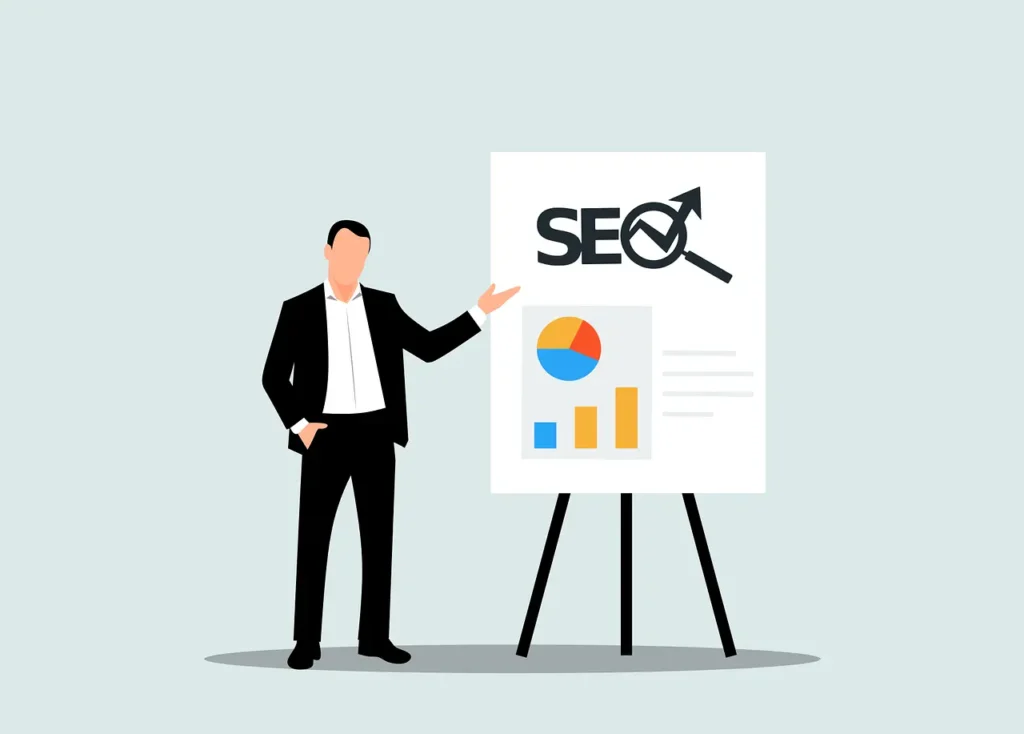
- Search Engine: Google, Bing, Yahoo—these are all search engines, where people type questions like “Best pizza near me” or “How to study faster”
- Optimization: this mean making something better by doing some significant and important change in it.
So, SEO means making your website better so that search engines show it at the top of the results.
Why is SEO Important?
Think of this:
- When you search something on Google, like how to cook pasta…. do you go to page 2 or page 3 in the searches? no, i don’t think so, most people only click the first 5 results.
- So that means If your website is not on the first page of the searches, it’s like your shop is hidden in a back alley where nobody visits and enter in your shop.
SEO helps your website come forward, so more people see it, click it, and read it.
How Does SEO Work?
Search engines are like librarians of the internet. When you ask something or when you search for something, they look through billions of “books” (websites) and show the ones that best answer your question.
They use algorithms (special rules and formulas) to decide which website is best and which one will give the best answer to the user’s question. SEO helps you match those rules.
There are 3 main parts of SEO:
1. On-Page SEO – Inside Your Website
This is like cleaning your shop and arranging things neatly.
- Keywords: Words people search for. Example: If your article is about NISAR satellite, you should use words like “NISAR mission”, “NASA ISRO satellite”, etc.
- Titles & Headings: Clear titles tell search engines what your page is about.
- Alt Text for Images: Like adding captions to pictures so even search engines can “see” them.
- Good Content: Writing in a way that actually answers people’s questions.
2. Off-Page SEO – Outside Your Website
This is like people are talking about your shop and reviewing your shop in the town. The more people recommend you, the more popular you become.
- Backlinks: When other websites link to your site, it’s like a vote of trust.
- Social Sharing: If people share your article on Facebook, Twitter, or Instagram, it signals popularity.
3. Technical SEO – The Backstage Work
This is like fixing the electricity, water, and doors in your shop. People may not see it, but it makes the shop run smoothly.
- Website Speed: A slow site = unhappy visitors.
- Mobile-Friendly: Most people use phones; your site should look good on small screens.
- Secure Website (HTTPS): Shows users that your site is safe.
Example of SEO in Real Life
Imagine you write an article on “Most Dangerous Places on Earth.”
- If you use the right keywords, write clear headings, add descriptive images, and people share your article, then Google will likely show it on the first page.
- More people will read it, your website will grow, and you might even earn from it.
Who Needs SEO?
SEO is not just for big companies or tech experts—it’s for anyone who wants people to find them online. Whether you run a small blog, sell handmade products, own a business, or just share your passion, SEO can help.
- Small Businesses: If you have a shop, SEO can help local customers find you without spending a lot on ads. And this happens by Local SEO
- Bloggers and Writers: People can discover your articles and stories through search engines, bringing more readers naturally.
- Online Stores: SEO helps your products appear when someone searches for what you sell, increasing your chances of making sales.
- Freelancers and Creators: If you offer services online, SEO makes it easier for clients to find you.
In simple words, anyone who wants their website, work, or content to be seen by the right people can benefit from SEO. It’s like putting up a sign in the busiest street in town, but on the internet.
Why You Should Care About SEO
- 1. Free Traffic:
When you make your website or article easy to find on Google, more people can visit it without you having to pay anything. Unlike advertisements, where you have to spend money every time someone clicks, SEO helps people find your content naturally. This means the more effort you put into SEO, the more visitors you can get for free. It’s like planting seeds once and watching them grow into many flowers over time.
- 2. Long-Term Results:
If you create an article or page that is well-optimized for search engines, it can continue to bring visitors for a long time. Even years after you publish it, people can still find it when they search for related topics. Unlike social media posts or ads that disappear quickly, a good SEO strategy gives your content a long life, like a book that people keep coming back to.
- 3. Builds Trust:
Most people trust the websites that appear at the top of Google’s search results. When your content ranks high, it shows that Google thinks it is useful and reliable. This makes people more likely to trust what you are sharing, whether it’s information, advice, or a product. Being seen as trustworthy can help your website or business grow because people prefer to visit and learn from sources they believe are reliable.
Organic VS Paid Search Results in SEO
When you search for something on Google, you usually see two types of results: organic results and paid results. They may look similar, but they are very different.
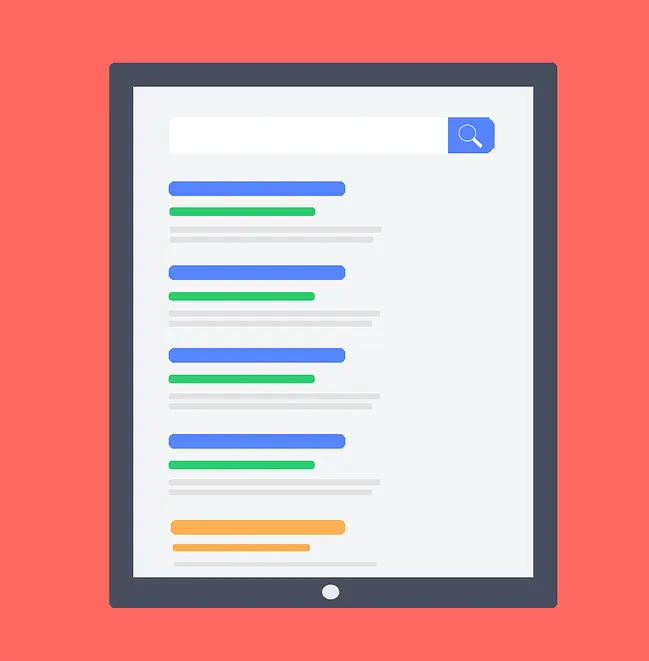
1. Organic Search Results:
These are the results that appear naturally because Google thinks they are the most helpful and relevant for your search. You don’t pay Google to appear here. Instead, you earn your place by making your website useful, clear, and easy to find. A well-optimized website with good content, proper keywords, and fast loading can appear at the top. People often trust these results more because they believe Google ranked them for quality, not because someone paid for it.
2. Paid Search Results:
These are the results that appear because a company paid Google to show their website when certain words are searched. You may see them at the very top or at the bottom of the search page with a small label like “Ad.” Paid results can bring visitors very quickly, but only as long as you keep paying. Once the payment stops, the website disappears from the top positions.
The Key Difference:
- Organic results take time and effort to earn but last longer and build trust.
- Paid results give instant visibility but stop once the money stops.
In short, organic SEO is like planting a tree—you nurture it, and it grows strong and gives fruit for years. Paid ads are like buying fruits from a store—they are quick and easy but only last as long as you pay for them.
Conclusion
SEO is like a special tool that gives your website a bright spotlight on the internet. When you use it well, more people can find your content naturally, without paying for ads. It helps your website become trusted and respected because people tend to believe the sites that appear at the top of search results. Over time, this trust grows, and your audience can keep coming back again and again.
The most important thing to remember is that SEO is not about tricking Google or trying to find shortcuts to appear at the top. It’s about creating a website that is truly useful for people—one that loads quickly, is easy to navigate, and gives the information visitors are looking for. When you focus on making your website helpful and user-friendly, Google will notice, and your site will naturally shine brighter than others.
In short, SEO is not just a tool—it’s a way to make your website better, for both people and search engines, helping your message reach more eyes and hearts over time.


You May Also Like
WEBSITE STRUCTURE FOR SEARCH ENGINE OPTIMIZATION
